
博客
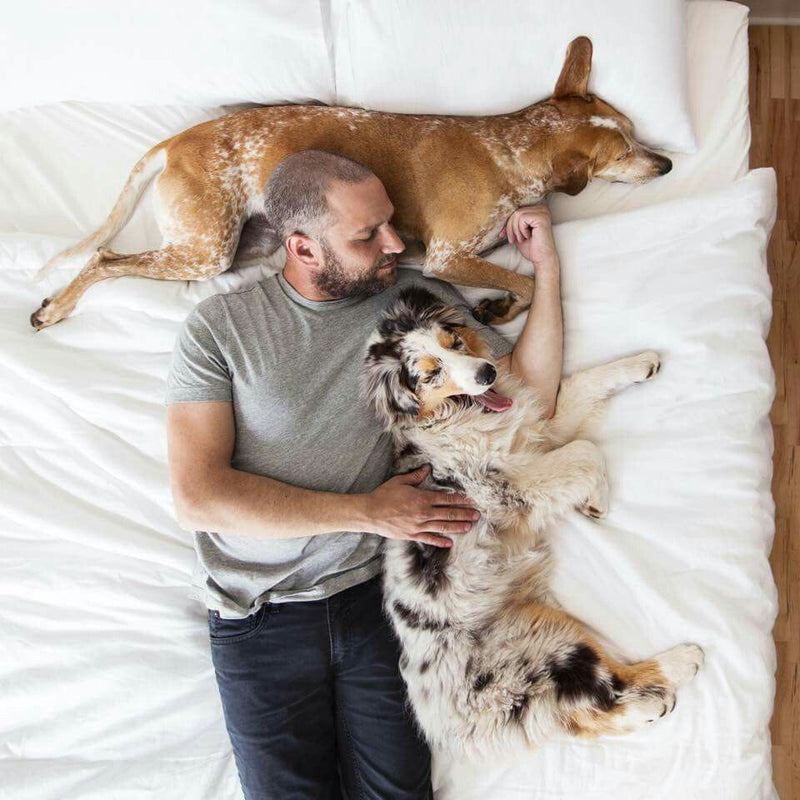
Should You Let Your Dog Sleep in Your Bed? A Research-Backed Guide
For most healthy adults, letting your dog sleep in the bedroom is perfectly fine and it won't make your dog "dominant" or cause separation anxiety. Those are myths. The real...
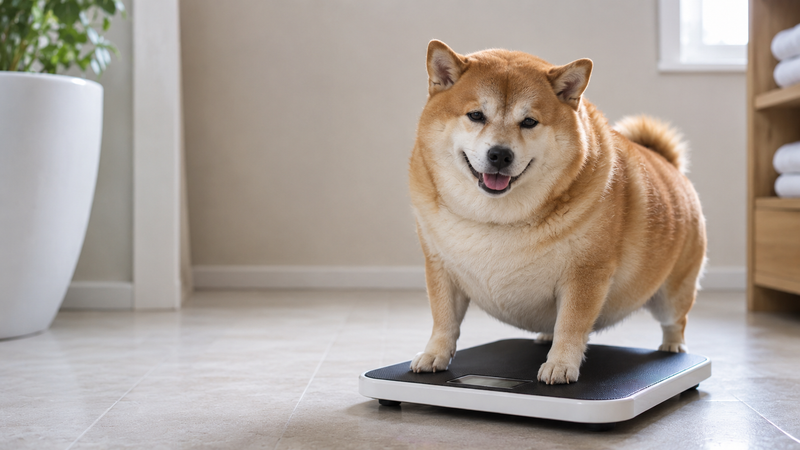
Why Overweight Dogs Often Have Overweight Owners — What the Research Shows
If you've ever joked that you and your dog are starting to look alike, the science might be less funny than you think — in the kindest possible way. Research...
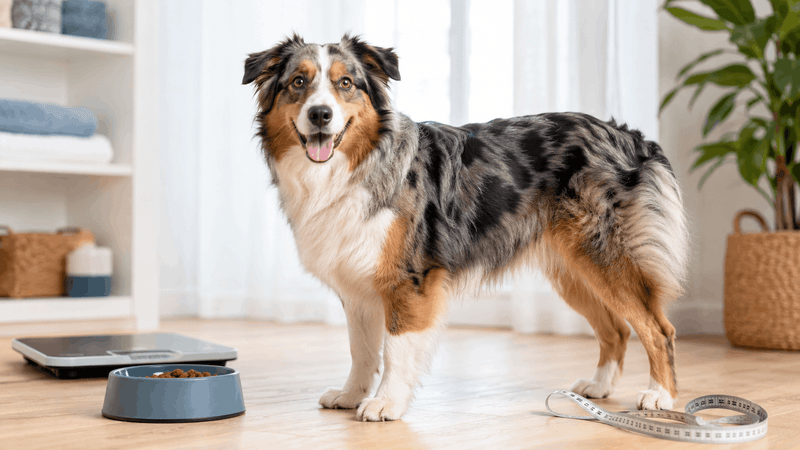
Can Your Dog's Gut Bacteria Affect Their Waistline? What the Science Actually Says
The gut bacteria in your dog's digestive system may play a role in how their body manages weight — but the science is still developing. Obese dogs tend to have...
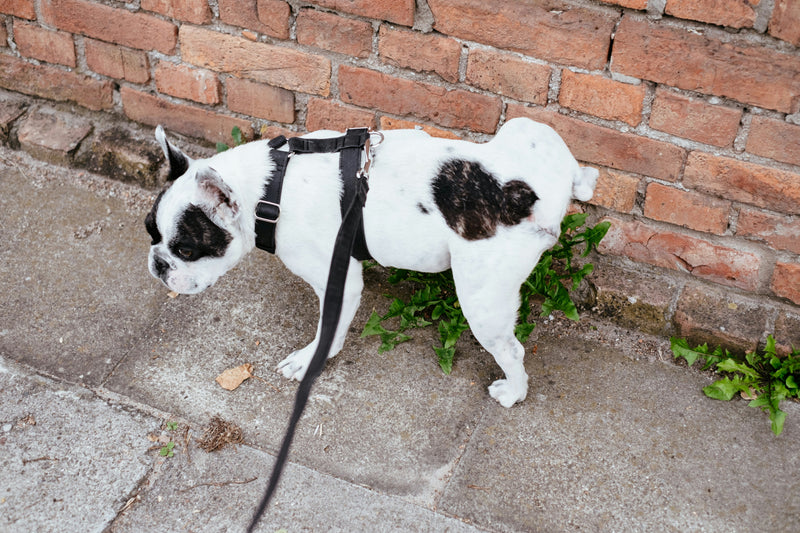
The Dog Poop Guide: What Color, Shape, and Texture Actually Mean
Healthy dog poop is usually firm, log-shaped, and chocolate-brown. It should be easy to pick up and fairly consistent in texture. Occasional changes can happen after diet changes, treats, stress,...
Can You Clone a Dog? Why DNA Is Only Part of the Story
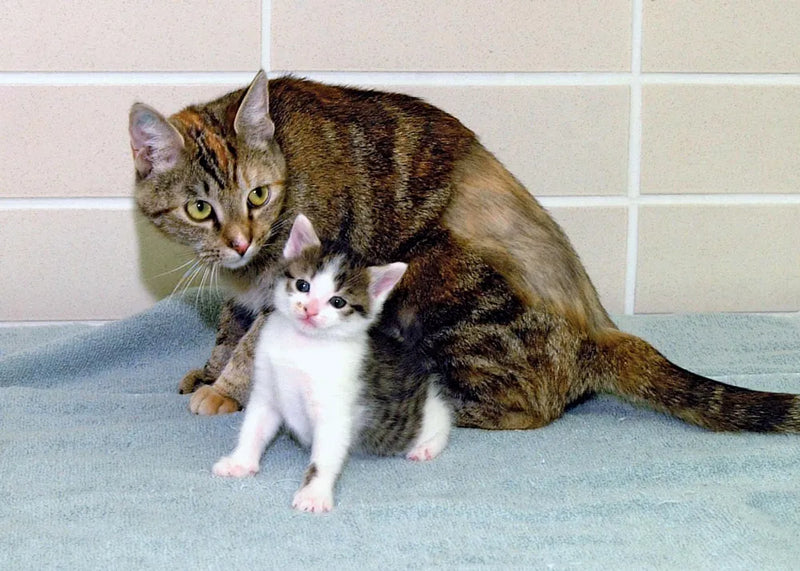
Short AnswerYes, a dog can be cloned at the level of nuclear DNA, but cloning cannot recreate the same dog. Appearance, personality, epigenetic regulation, mitochondrial DNA, microbiome, early development, and...
Does Your Cat Need Fiber? What the Research Actually Shows
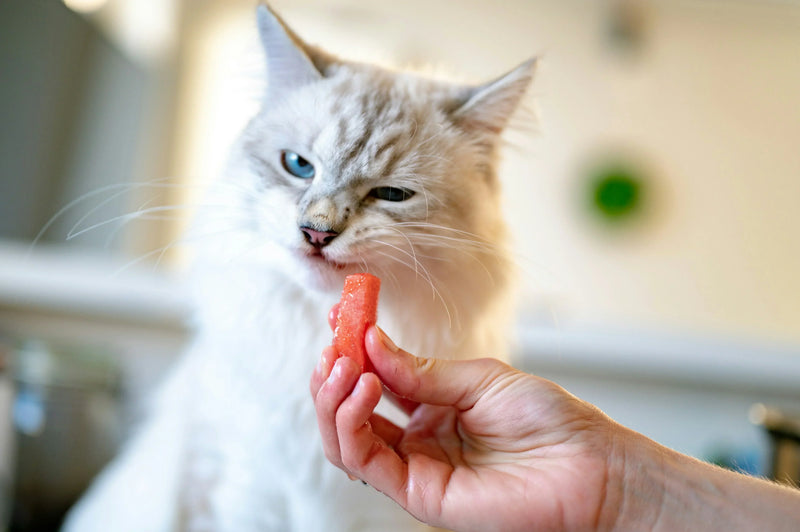
Short AnswerYes — but not in the way most pet owners assume. Cats don't digest fiber themselves, but the microbes in their colon do, producing short-chain fatty acids (SCFAs) that...
Can You Get Sick From Dog Kisses? The Scientific Truth About Shared Bacteria
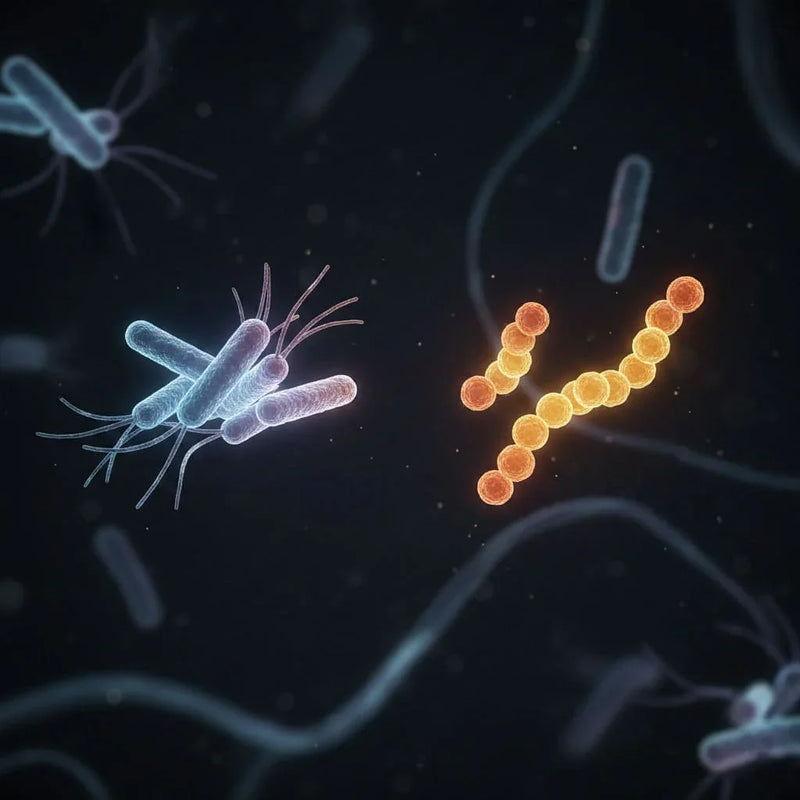
The Short AnswerThat smell coming from your dog's mouth isn't just "normal dog breath." In most cases, it's an early sign of bacterial imbalance in the mouth — and a...
Dog Poop Guide: Healthy vs. Unhealthy Stool & Gut Health Solutions
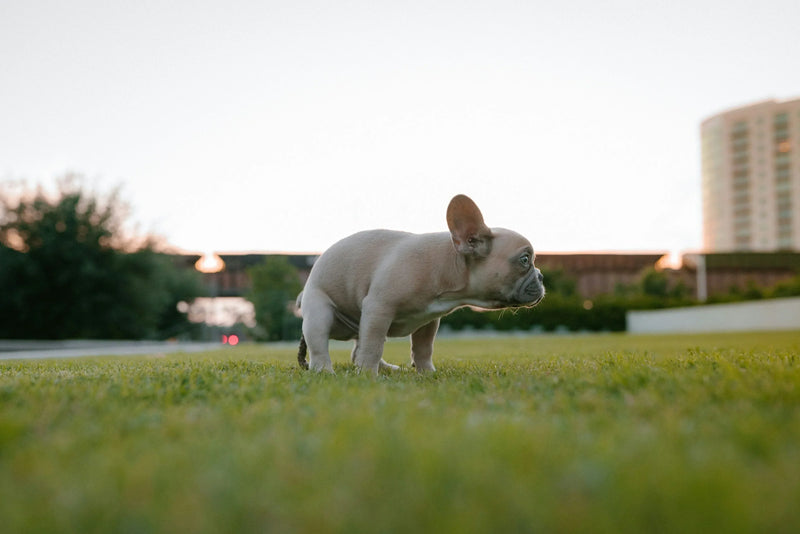
Quick Answer: Is My Dog's Poop Normal?A healthy dog stool is chocolate brown, firm but moist, and easy to pick up. If you notice changes in the 4C’s (Color, Consistency,...
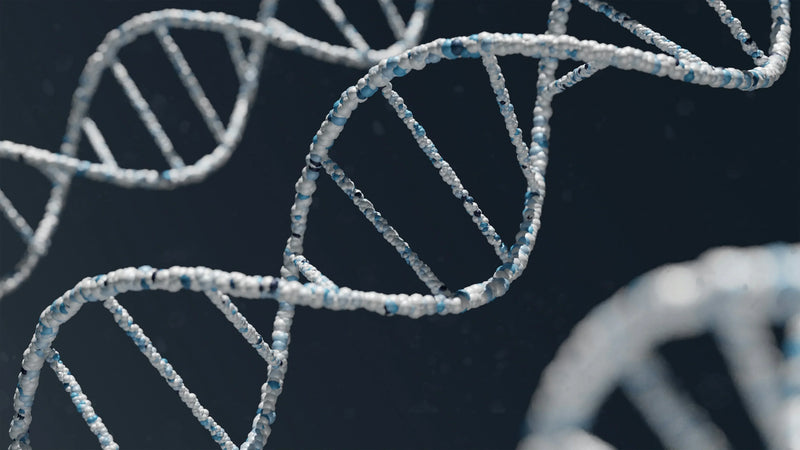
Best Dog DNA Test Comparison: How Accurate Are Dog DNA Tests Really?
Did you know that most dog DNA tests analyze less than 0.01% of your pet's genome? Discover the massive accuracy gap between standard marker-based kits and Whole Genome Sequencing (WGS) in our latest deep dive.
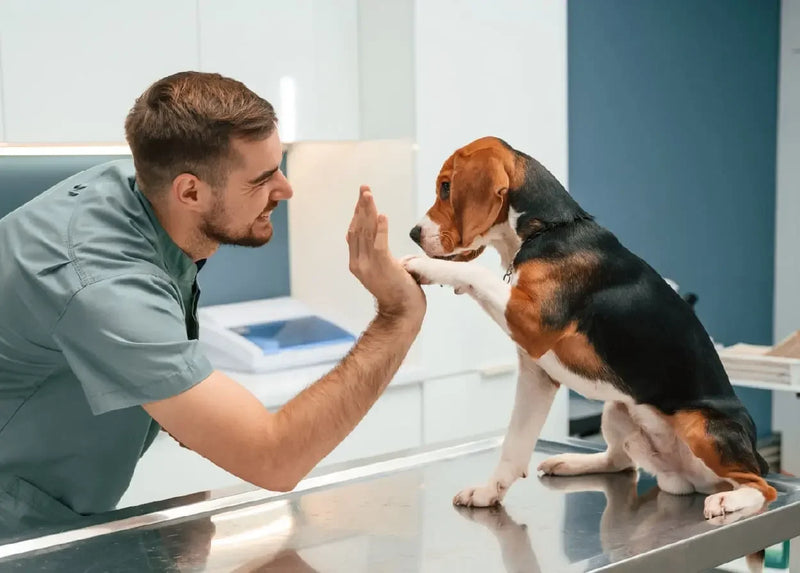
Why Is Gut Health Important for Dogs?
Why Is Gut Health Important for Dogs?We all want our dogs to be happy, energetic, and healthy. But one thing many pet parents overlook is the gut—the “control center” of...
基因如何影响宠物的代谢
每只宠物都是独一无二的——不仅性格不同,就连身体利用能量的方式也各不相同。每一次摇尾巴、发出咕噜声、跳跃嬉戏的背后,都蕴藏着一个名为新陈代谢的复杂系统,它将食物转化为能量。许多宠物主人没有意识到的是,这个过程很大程度上是由遗传因素决定的。能量的基因蓝图 宠物的DNA决定了它们的身体消化营养、将卡路里转化为能量以及储存脂肪的效率。一些基因调节分解蛋白质和脂肪的酶,而另一些基因则影响胰岛素或甲状腺激素等激素水平——这些都是新陈代谢的关键因素。甚至细胞内的微型能量工厂——线粒体,也由基因决定以不同的速率产生能量。品种和代谢差异遗传学有助于解释为什么有些犬种消耗能量的速度比其他犬种快。例如,哈士奇和边境牧羊犬进化出了能够长时间保持高能量消耗的活跃能力,而像斗牛犬或巴哥犬这样的犬种则往往新陈代谢较慢。猫天生是猎手,它们的基因有利于蛋白质代谢,这使它们能够更好地适应以肉类为主的饮食。基因、微生物组和营养 宠物的基因也会影响其肠道菌群——即影响消化、营养吸收和免疫健康的有益细菌群落。当基因和肠道菌群处于平衡状态时,新陈代谢就能顺畅进行。但当二者失衡时,就会出现肥胖、皮肤刺激或消化问题等状况。这就是为什么包括Pawomics在内的现代宠物科学致力于结合基因和微生物组方面的研究成果,制定个性化的营养方案。通过了解宠物的身体构造,您可以更明智地选择食物、营养补充剂和生活方式,帮助它们由内而外保持健康。宠物健康的未来 基因组检测技术的进步正为真正个性化的宠物护理打开大门。不久的将来,了解宠物的基因和微生物组信息将像阅读食品标签一样成为日常习惯——指导从卡路里需求到营养补充剂选择的方方面面。因为当我们了解它们的基因时,我们不仅能更好地喂养它们,还能帮助它们活得更长久、更健康。
微生物群与皮肤瘙痒之间的联系
如果您的宠物不停地抓挠、舔舐或啃咬皮肤,您并不孤单。皮肤刺激是宠物主人带宠物去看兽医的最常见原因之一。虽然人们常常将罪魁祸首归咎于过敏和饮食,但最新的科学研究揭示了更深层次的联系——这种联系始于肠道内部。肠-皮轴:不仅仅是一种理论宠物的肠道和皮肤通过科学家所说的肠-皮轴相连。这意味着消化道内的微生物群落——即肠道菌群——会影响炎症、免疫反应,甚至皮肤的自我防御能力。当肠道菌群健康平衡时,它有助于调节免疫系统并控制炎症。但当肠道菌群失衡时,其影响通常会体现在皮肤上,例如瘙痒、发红、头皮屑或热点。 肠道失衡如何引发皮肤问题当“有害”细菌过度繁殖而有益菌减少时,肠道内壁的通透性会增加——这种情况通常被称为肠漏症。未消化的颗粒和毒素会进入血液,扰乱免疫系统并引起全身炎症。皮肤作为人体最大的免疫器官之一,往往会最先出现不适症状。宠物可能会开始抓挠、出现皮疹,或反复出现耳部和爪部感染。为什么单靠节食是不够的改用低过敏性或无谷物饮食或许能暂时缓解症状,但并不总能解决根本原因。如果肠道菌群失衡,炎症就会持续存在。因此,通过补充益生菌、益生元和后生元来恢复菌群平衡,对长期的皮肤健康至关重要。帕沃米克斯方法 在Pawomics ,我们研究肠道微生物如何与宠物的免疫系统和皮肤系统相互作用。通过分析微生物组,我们可以识别特定的失衡状态,并指导制定个性化的营养策略,以减轻炎症、恢复自然平衡,帮助宠物由内而外地恢复健康。